Being Kind Online

Cybersmart learners know how to interact with others online and make smart decisions about what information they share.

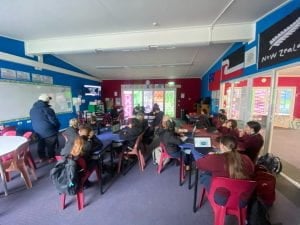
Today, we had an enlightening session on “Being Kind Online” with Maria Krausse. We explored the importance of maintaining kindness and respect in our digital interactions. Maria shared valuable insights and practical tips on how to create a positive online environment.

Here are some tips to help our tamariki be kind online:

  1. Think Before You Post: Always consider how your words might affect others.
  2. Use Positive Language: Encourage and uplift others with your comments.
  3. Respect Differences: Celebrate diversity and be open to different perspectives.
  4. Report Bullying: If you see harmful behaviour, report it to a trusted adult.
  5. Be a Role Model: Lead by example and show others how cool it is to be kind.

Remember, it’s cool to be kind! Let’s continue to create a supportive and respectful online community together. Check out our individual blogs for more about being kind online.
 

Mini Whiteboards

Today, we want to share with you the awesome benefits of using mini whiteboards as a learning tool in Room 1. These nifty little boards have become a staple in our classroom, and for good reason!

Why Mini Whiteboards Rock:

  1. Instant Feedback: Mini whiteboards allow for quick and easy feedback. Whether we’re solving math problems or brainstorming ideas, students can jot down their answers and hold them up for immediate review. This helps us see who’s on the right track and who might need a bit more help.
  2. Engagement: There’s something about writing on a whiteboard that students just love. It makes learning interactive and fun. Plus, it’s a great way to get everyone involved, especially those who might be a bit shy about raising their hand.
  3. Mistake-Friendly: Mistakes are a natural part of learning, and mini whiteboards make it easy to erase and try again. This encourages a growth mindset, where students feel safe to experiment and learn from their errors.
  4. Versatility: These boards can be used across all subjects. From drawing diagrams in science to practicing Te Reo Māori vocabulary, they’re incredibly versatile. We even use them for quick games and quizzes to reinforce learning in a fun way.
  5. Eco-Friendly: Using mini whiteboards reduces our paper usage, making it a more sustainable option. It’s a small step towards being more eco-friendly in our classroom.

How We Use Them:

In Room 1 , we use mini whiteboards for a variety of activities. Here are a few examples:

  • Math Warm-Ups: Students solve problems on their boards and show their answers for a quick check.
  • Spelling Practice: We write and correct words together, making it a collaborative activity.
  • Group Work: In small groups, students use the boards to jot down ideas and share with the class.
  • Te Reo Māori: Practicing new words and phrases by writing them out and sharing with a partner.

The benefits of using mini whiteboards are clear. They make learning interactive, engaging, and efficient. Plus, they’re just plain fun! We are excited to continue using them to enhance our learning experience in Room 1.

Hello world!

Welcome to your brand new blog – a space to share your learning journey.

To get started, simply visit your blog’s dashboard, edit or delete this post and check out all the other options available to you.

Like more help?

We can walk you through step-by-step in our guide to getting started with your blog.

You can see what other learners are sharing on their blogs here.

Happy blogging!